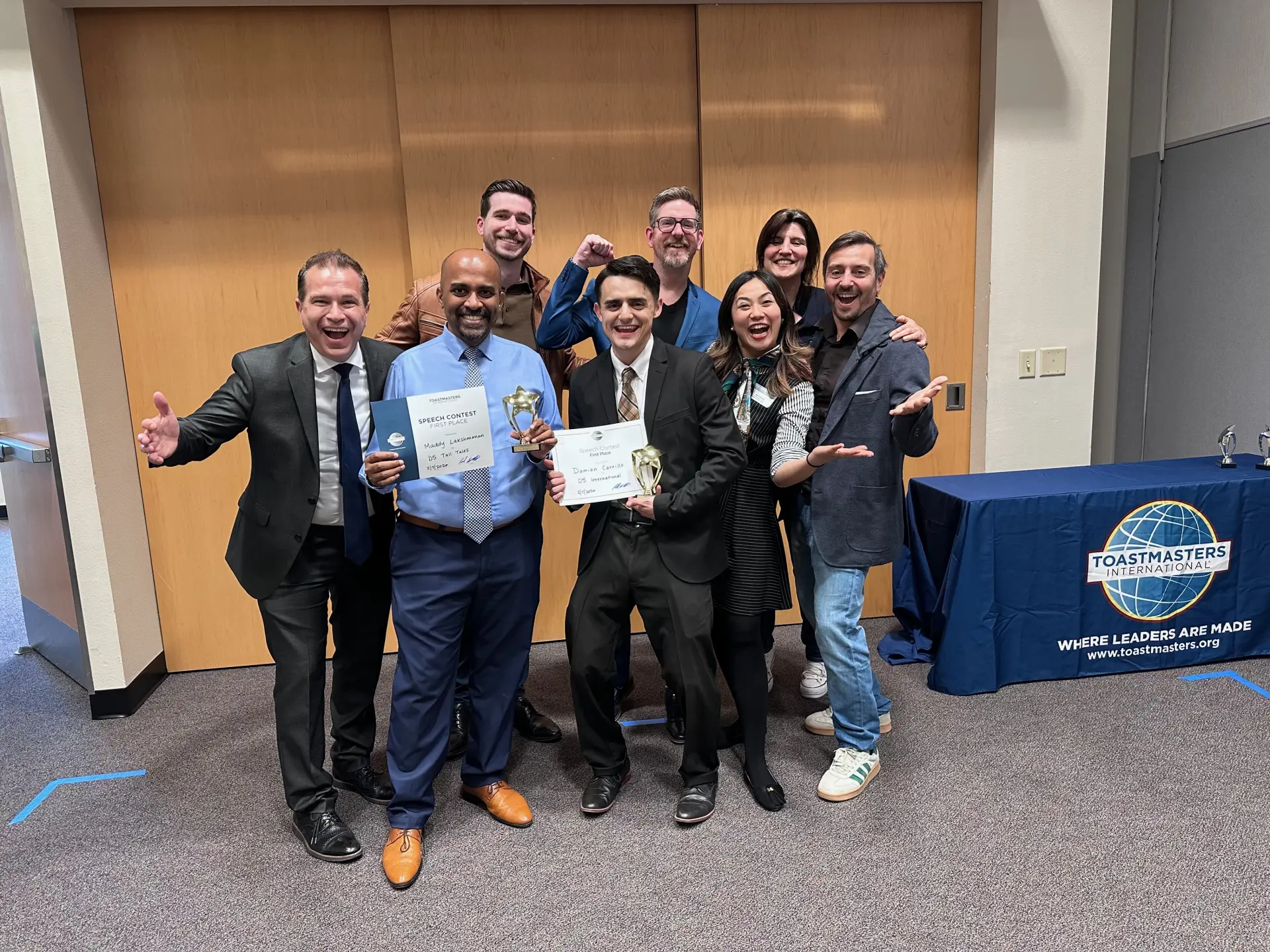
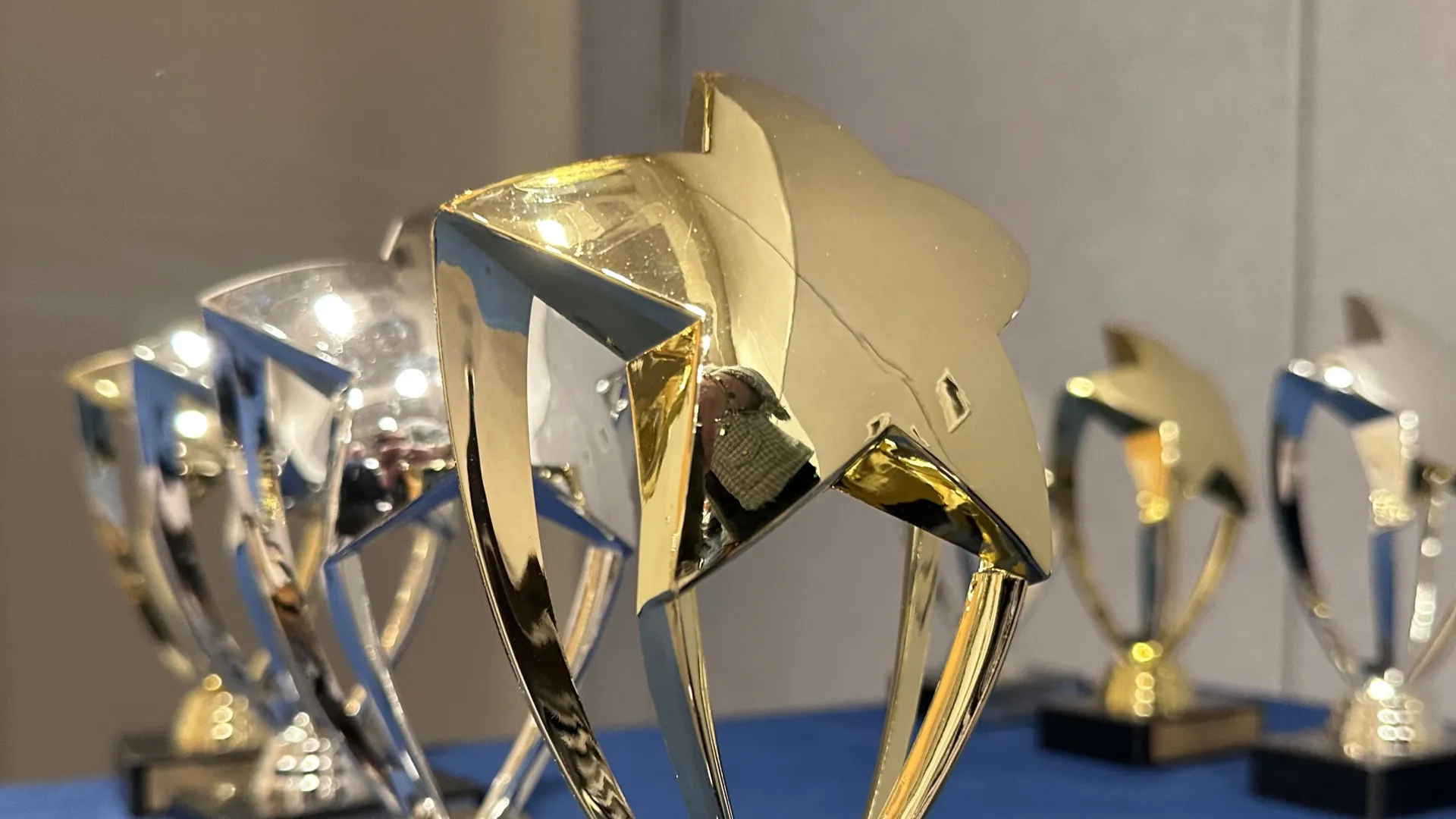
Gilbert Toastmasters members cheering with two first-place winners holding their trophies and certificates at the 2026 Area contest

Speech Contests: Every Contest
Starts at the Club.

Every Toastmasters speech contest begins in a club meeting room. The winners move on to the area, then the division, then the district.

Whether you want to compete, judge, or help behind the scenes, this is where to start.

The Gilbert Way

We Show Up. We Compete. We Cheer.

Gilbert members don't just attend contests. They compete, they judge, and they volunteer. Every year, our members step onto the contest stage at the area and division levels in both the International Speech Contest and whatever second contest the district selects that year: Humorous, Tall Tales, Table Topics, or Evaluation.

We've had members advance to the division level in both contests. We've had members serve as judges at every level, including international. And when we're not competing or judging, we're in the audience with pompoms, cheering for every speaker from every club.

That's the Gilbert way. We take the work seriously. We take the stage seriously. And then we cheer really hard for each other.

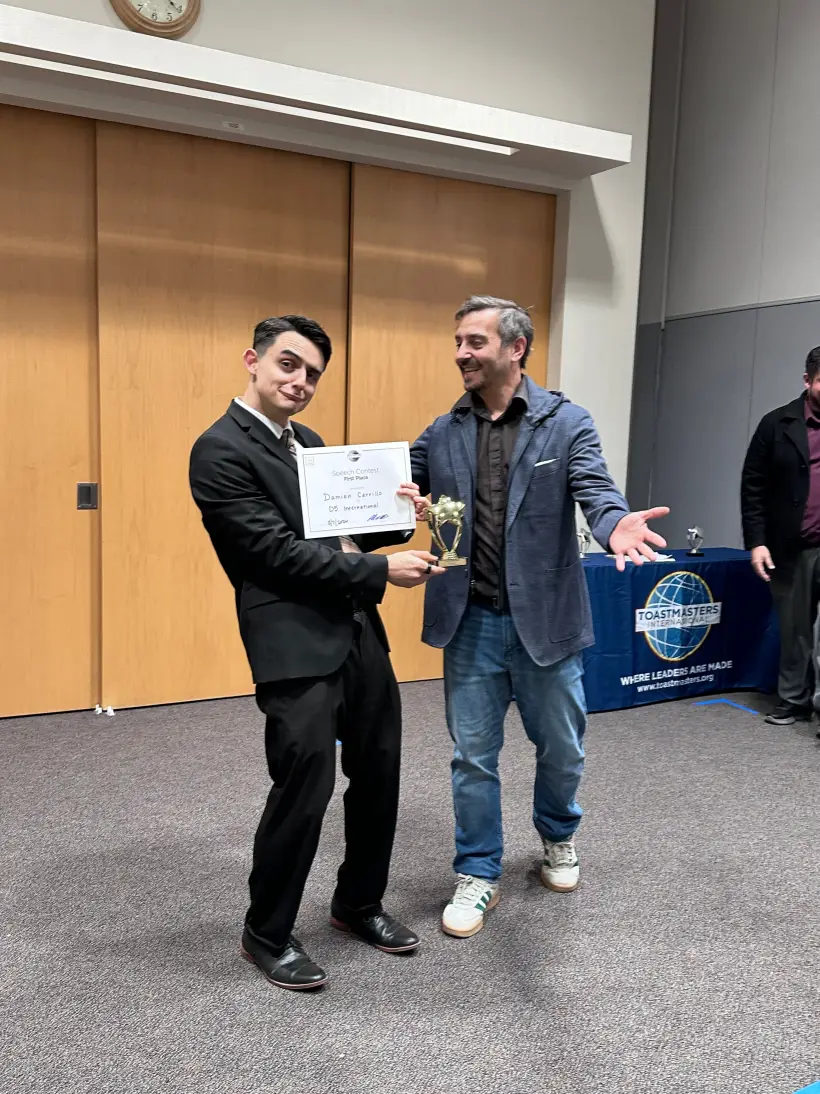
Damian competing on the contest stage for Gilbert Toastmasters in 2026
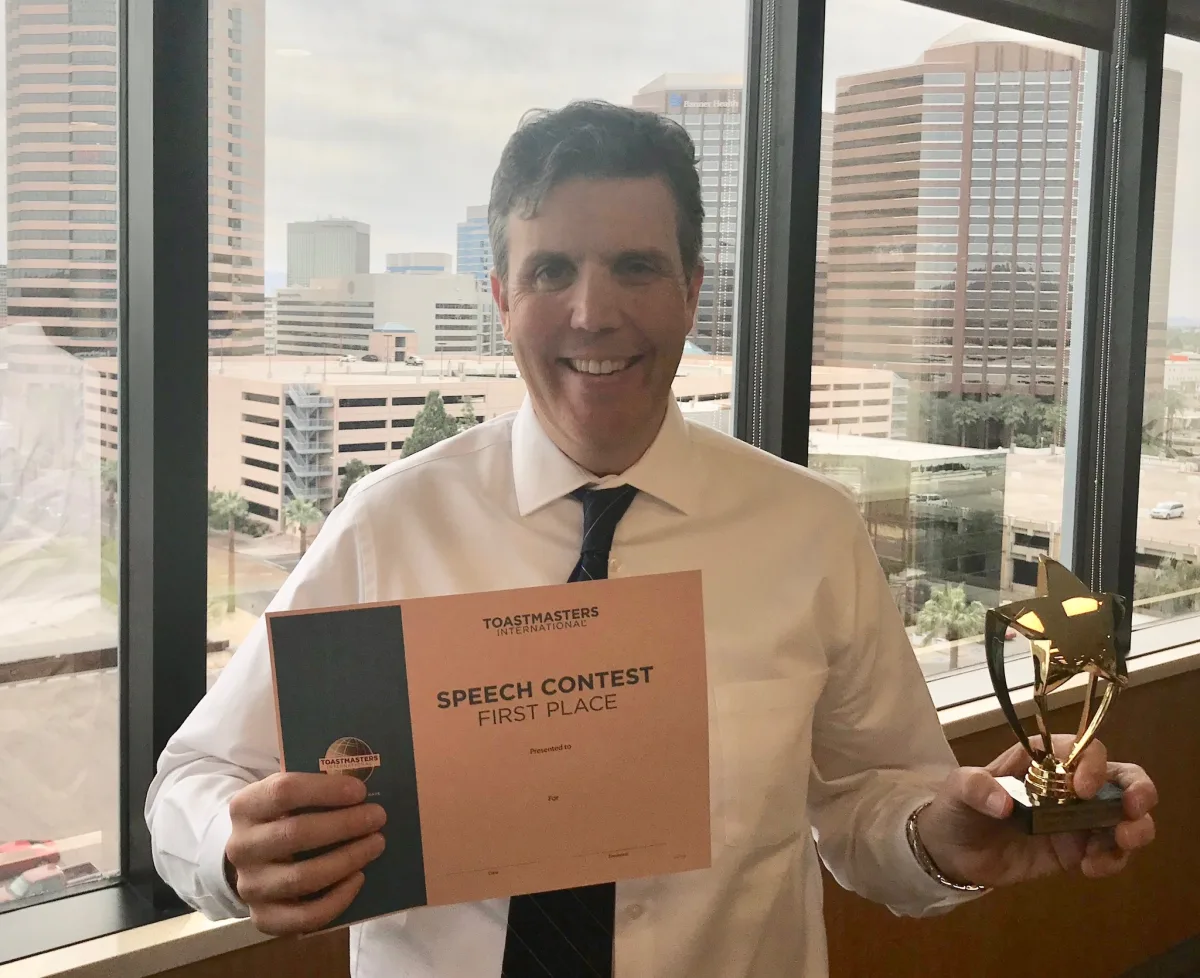
Matt Patterson winning the Area International Speech Contest for Gilbert Toastmasters in 2019
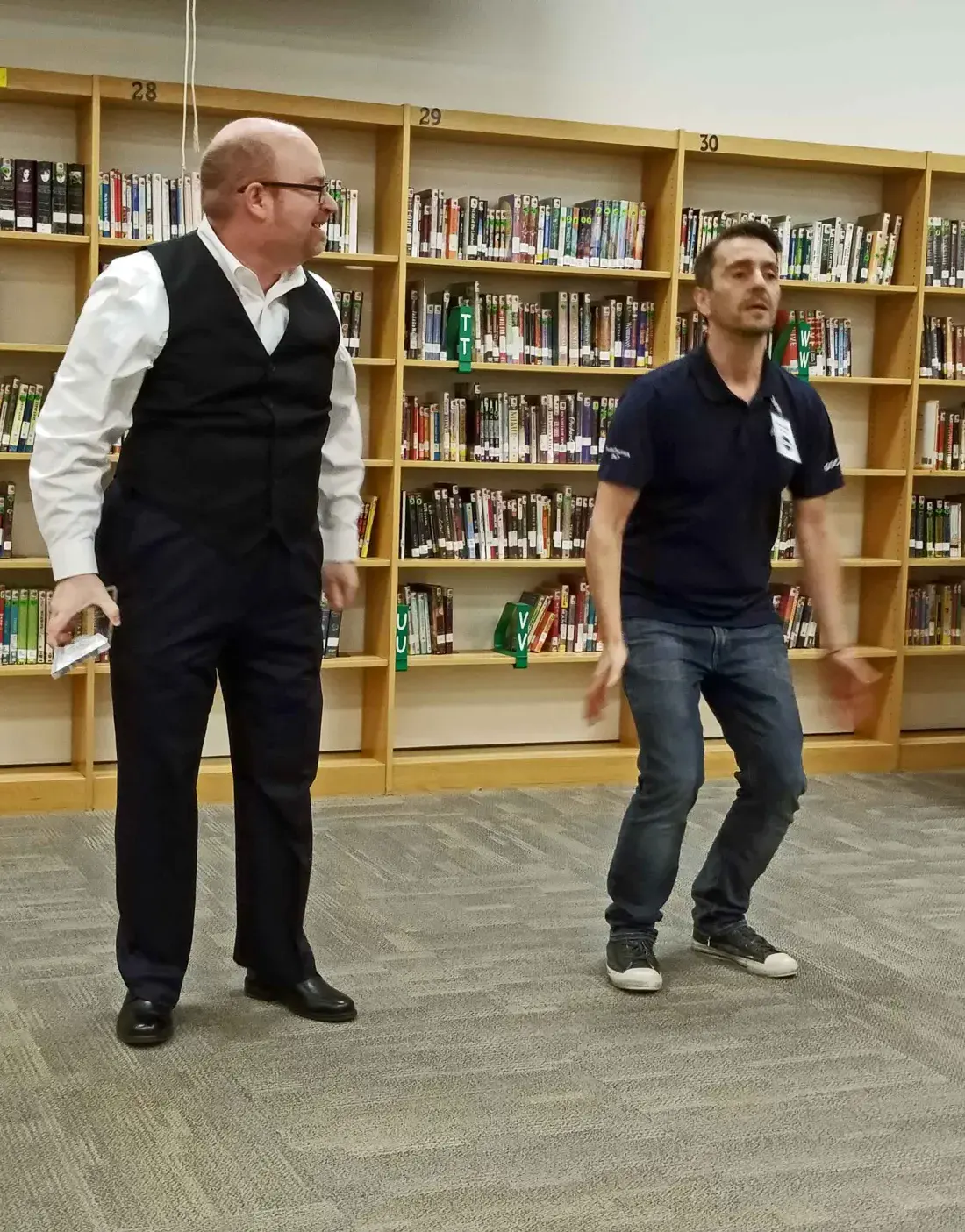
Vincent and Harvey performing a comedic sloth dance during Harvey's Tall Tale speech at the 2019 contest

What you can compete in

Five Types of Speech Contests

Each year the official contests are International plus a second one the district chooses. Any of the five can also be the theme of one of our own practice contests.

Thinking of competing? Read the Contestant guide →
  • International Speech Contest

    5–7 min

    A 5-to-7-minute speech, usually motivational in nature. This is the official contest that leads to the World Championship of Public Speaking. It runs at every level: club, area, division, district, and beyond.

  • Evaluation Contest

    2–3 min

    All contestants watch the same 5-to-7-minute speech from a test speaker. Then each contestant delivers a 2-to-3-minute evaluation of that speech. Contestants are judged on the quality and usefulness of their feedback.

  • Humorous Speech Contest

    5–7 min

    A 5-to-7-minute speech built on clean, original humor. This isn’t stand-up comedy. It’s a themed speech that happens to be funny. The humor should serve the message, not replace it.

  • Table Topics Contest

    1–2 min

    An impromptu 1-to-2-minute speech. Every contestant responds to the exact same question without any preparation. Contestants wait outside the room until it’s their turn so they can’t hear the question or the other speakers.

  • Tall Tales Contest

    3–5 min

    A 3-to-5-minute speech with a wildly exaggerated, far-fetched, and improbable theme. Delivered in a colorful, dramatic style. The more outrageous, the better, as long as you commit to it.

From Club to International

What happens after you win the club contest.

Win the club contest and you move up through the area and division to the district. If you competed in the International Speech Contest, the road keeps going: district winners advance to the international level, toward the World Championship of Public Speaking.

Step 01

Club

Win the official club contest and you represent Gilbert at the area contest.

Step 02

Area

Winners from the clubs in our area compete against each other. We show up to cheer for every speaker, not just ours.

Step 03

Division

Area winners meet at the division contest: a bigger room, a bigger audience, and the same rules.

Step 04

District

Division winners compete for the District 3 title.

Step 05

International

Only the International Speech Contest goes beyond the district. District winners advance to the international level, toward the World Championship of Public Speaking.

Not competing?

Help run
the contest.

Every contest needs a crew. These roles put you in the room, close to the action, without stepping on stage. Ask the President or the Contest Chair for more info.

Judges

Judges score each contestant using the official Toastmasters ballot. A contest needs a minimum of five judges: four voting judges plus the tiebreaker. Judges are briefed by the Chief Judge before the contest on what to look for and how to score. At Gilbert, members regularly serve as judges at area, division, district, and even international contests.
Timers

A contest needs two timers. They show each contestant the green, yellow, and red signals at the minimum, midpoint, and maximum times, and they record the exact length of every speech. Those times go to the Chief Judge, and they decide whether a speech ran too short or too long.

Sergeant-at-Arms (Contest)

This is separate from the regular meeting SAA. The contest SAA manages the room during the contest. They watch the doors to make sure nobody opens them while a contestant is speaking. During Table Topics contests, they make sure contestants waiting outside can’t hear the question or the other speakers.

Ballot Counters and Ballot Runners

Ballot counters tally the judges’ scores. Ballot runners collect the ballots from the judges and deliver them to the counters. A contest needs a minimum of two. At the club level, the same person handles both jobs. At district contests, these are separate roles.

Who runs a contest

Two roles behind every contest.

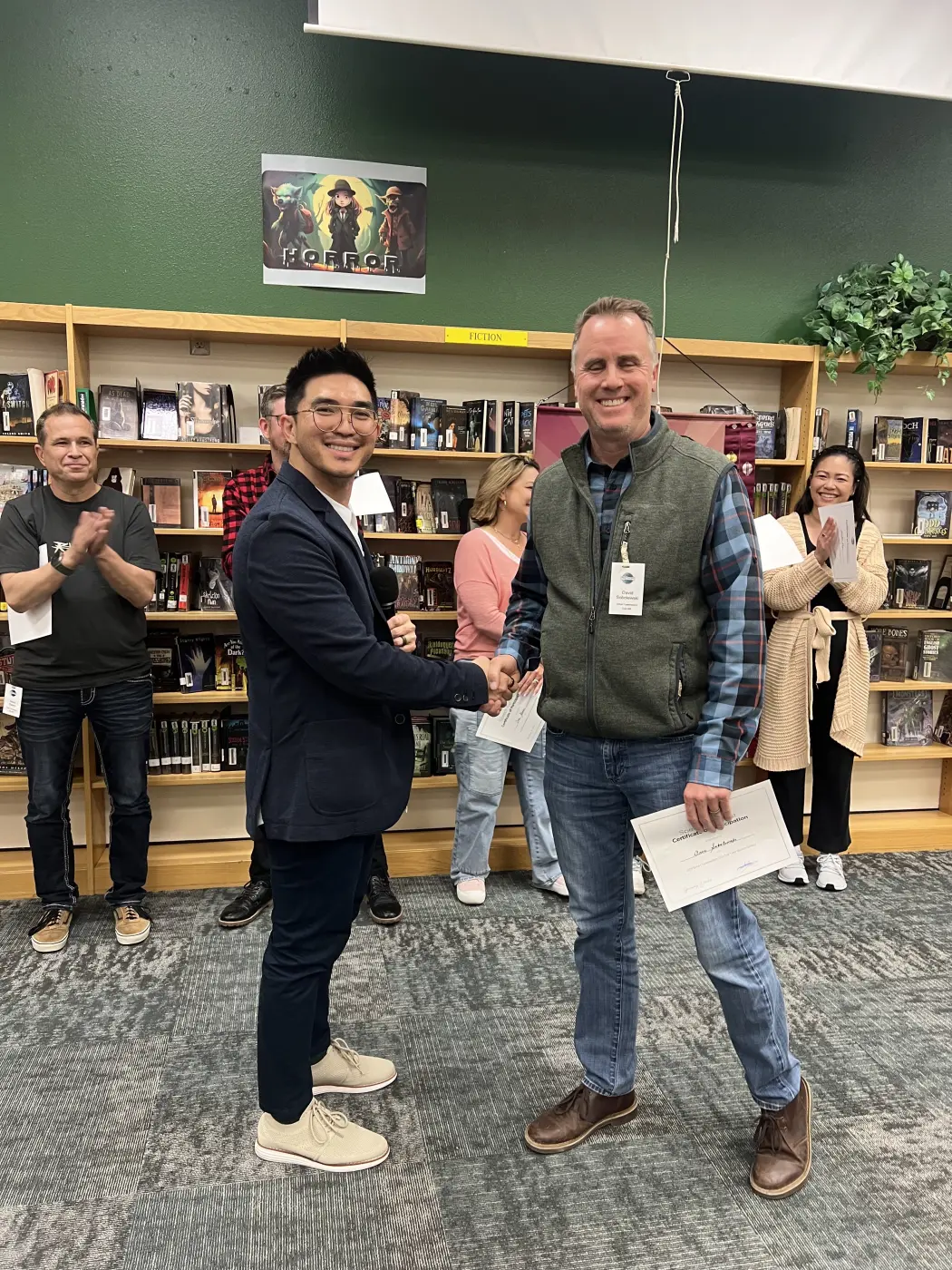
The Contest Chair shaking hands with a contestant and presenting a certificate of participation at the 2026 Gilbert Toastmasters Tall Tales contest

Contest Chair

The Contest Chair organizes and runs the entire contest. They're the host for the evening. They recruit contestants, communicate the rules, prepare the agenda, arrange certificates and awards, and manage the event on the day of. If you want to know what leadership looks like in Toastmasters, this is it.

Common questions

Asked
and answered.